Dot Leaf · Microgreens Library

35 tiny greens.A lot to explore.

From peppery radish and mustard to sweet pea shoots, colourful amaranth and aromatic coriander — explore 35 microgreens commonly grown or available in India, with practical notes on flavour, harvest window, nutrition, serving ideas and everyday use.

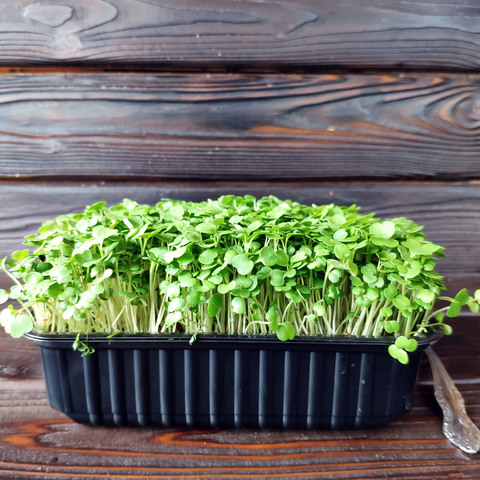
Fresh microgreens in a tray
15
What are microgreens?

Young edible plants.
Harvested early.

Microgreens are young seedlings of vegetables, herbs, grains and other edible crops. They are generally harvested after the cotyledons have developed and around the stage when the first true leaves are beginning to appear. They are different from sprouts and different from mature baby greens. The exact harvest window varies by crop and growing conditions.

01 / 15 Signature VARIETIES

Choose your
green.

These are practical India-relevant varieties selected for Dot Leaf's catalogue. Flavour and harvest timing are approximate because cultivar, seed lot, light, temperature and growing method can change the result.

Radish microgreens01 · Fast

Radish

Mooli · Muli
5–10 days

Peppery, crisp and one of the easiest microgreens for a quick harvest. Pink or purple stems make it especially attractive on a plate.

PepperyCrunchySalads
NutritionVitamin C, carotenoids, vitamin K and antioxidant compounds vary by cultivar.
Best withSalads, sandwiches, wraps, soups, dosa toppings and savoury bowls.
Serving ideaStart with a small handful and mix with milder greens if you prefer less heat.
Broccoli microgreens02 · Brassica

Broccoli

Broccoli
7–14 days

Mild and easy to pair with everyday food. Broccoli microgreens are studied for glucosinolates and other bioactive compounds.

MildSulforaphane-relatedDaily use
NutritionGlucosinolates, vitamin C, carotenoids and polyphenols are reported in research; amounts vary.
Best withSalads, egg dishes, sandwiches, rice bowls and smoothies.
Serving ideaA mild starter variety when you want microgreens without a strong spicy flavour.
Sunflower microgreens03 · Crunch

Sunflower

Surajmukhi
8–14 days

Nutty, mild and crunchy with larger leaves and stems. A popular choice for salads, sandwiches and bowls.

NuttyCrunchyProtein source
NutritionContains protein, vitamin E and other nutrients; exact values depend on cultivar and growing conditions.
Best withSalads, wraps, sandwiches, grain bowls and breakfast plates.
Serving ideaUse as a base microgreen in a mixed box because its texture is substantial.
Pea microgreens04 · Sweet

Pea Shoots

Matar · Pea
8–14 days

Sweet, fresh and gently crunchy. The tender shoots and small tendrils make them a favourite for salads and stir-fries.

SweetCrunchyVersatile
NutritionProvides protein, carotenoids, vitamin C and vitamin E-related nutrients; composition varies.
Best withSalads, noodles, wraps, stir-fries and savoury breakfast dishes.
Serving ideaExcellent for people who find peppery brassica microgreens too strong.
Mustard microgreens05 · Bold

Mustard

Sarson · Rai
6–12 days

Sharp, peppery and distinctly mustard-like. Indian mustard microgreens are a familiar, fast-growing choice.

SpicyBrassicaIndian food
NutritionContains glucosinolates and vitamins including C and K; levels vary with cultivar and growth.
Best withDal, curd, sandwiches, wraps, chaat, eggs and salads.
Serving ideaUse a small amount first; mix with pea or sunflower shoots to soften the heat.
Fenugreek microgreens06 · Indian

Fenugreek

Methi
6–14 days

Aromatic with the familiar methi character and a slight bitterness. Very relevant to Indian kitchens and easy to combine with savoury food.

AromaticSlightly bitterIndian
NutritionFenugreek microgreens have been studied for minerals and phytochemicals, including iron; amounts are not fixed.
Best withCurd, salads, paratha fillings, dals, soups and savoury bowls.
Serving ideaCombine with cucumber, curd and a little lemon for a simple fresh side.
Red amaranth microgreens07 · Colour

Amaranth

Rajgira · Cheera
7–14 days

Vivid red-purple stems with a mild, earthy profile. One of the most visually striking microgreens for premium plating.

ColourfulEarthyAntioxidants
NutritionResearch reports betacyanins/betalains, phenolic compounds and minerals in red amaranth microgreens.
Best withSalads, soups, grain bowls, avocado toast and restaurant plating.
Serving ideaAdd after cooking so the colour and tender texture remain visible.
Beetroot microgreens08 · Ruby

Beetroot

Beet · Chukandar
10–16 days

Earthy and gently sweet, with vivid red stems. A strong choice when colour matters as much as flavour.

EarthyRed stemsGarnish
NutritionContains betalain pigments and other phytochemicals; beetroot microgreens are also studied for minerals and antioxidants.
Best withSalads, hummus, sandwiches, grain bowls and plated dishes.
Serving ideaPair with mild greens, cucumber and citrus for a balanced plate.
Kale microgreens09 · Mild

Kale

Kale
8–14 days

Mild, tender and leafy. Kale microgreens fit easily into mixed salads and are useful when you want a softer flavour.

MildLeafySalads
NutritionProvides carotenoids, vitamins and mineral nutrients; composition changes with cultivar and light.
Best withSalads, sandwiches, smoothies, wraps and grain bowls.
Serving ideaMix with radish or mustard for contrast in both flavour and colour.
Coriander microgreens10 · Aromatic

Coriander

Dhaniya · Cilantro
10–18 days

Strong coriander aroma in a young, tender form. A natural fit for Indian food and fresh garnishes.

AromaticFreshIndian
NutritionResearch reports carotenoids such as lutein and zeaxanthin alongside vitamins and minerals.
Best withChaats, chutney-style bowls, curries, salads, soups and sandwiches.
Serving ideaUse as a fresh finishing green rather than cooking it for a long time.
Basil microgreens11 · Herb

Basil

Tulsi / Sweet basil
10–18 days

Fragrant and distinctly basil-like. Delicate microgreens that work especially well with fresh, Mediterranean-style dishes.

HerbAromaticDelicate
NutritionContains polyphenols and carotenoid-related compounds; exact nutrition depends on cultivar.
Best withTomato, salads, pasta, sandwiches, soups and fresh cheese dishes.
Serving ideaAdd near serving time to preserve its aroma and delicate texture.
Wheatgrass microgreens12 · Grass

Wheatgrass

Gothambu grass
7–12 days

Fresh, grassy and usually used for juicing rather than as a salad garnish. It is one of the most recognisable wellness greens.

JuicingFreshGrass
NutritionProvides chlorophyll, carotenoids, vitamin-related compounds and minerals; juice composition varies widely.
Best withFresh juice blends and small quantities in smoothies.
Serving ideaStart small if you are not used to its strong grassy flavour.
Red cabbage microgreens13 · Purple

Red Cabbage

Purple cabbage
8–15 days

Mild cabbage flavour with striking purple stems and green-purple leaves. A premium-looking finishing green.

MildPurpleVitamin C
NutritionA 2012 USDA-linked study of 25 microgreens found red cabbage had the highest measured vitamin C in that sample.
Best withSalads, wraps, burgers, grain bowls, sushi-style plates and garnishes.
Serving ideaUse as a colour accent with avocado, cucumber, tomato or creamy sauces.
Pak choi microgreens14 · Asian

Pak Choi

Bok Choy
7–12 days

Mild cabbage-like flavour and a clean, tender texture. Great for Asian-inspired bowls and mixed microgreen salads.

MildBrassicaCrisp
NutritionBrassica microgreens can provide vitamins, minerals and glucosinolate-related compounds.
Best withNoodles, rice bowls, soups, stir-fries and fresh salads.
Serving ideaUse raw for texture or add at the very end of a warm dish.
Carrot microgreens15 · Delicate

Carrot

Gajar
10–16 days

Feathery, delicate foliage with a subtle carrot-like character. A visually elegant green for salads and plating.

FeatheryMildGarnish
NutritionCarrot seedlings contain carotenoid-related compounds and other plant nutrients; levels vary by stage and conditions.
Best withSalads, soups, sandwiches and decorative finishing.
Serving ideaPair with citrus, cucumber and mild greens to keep its delicate profile noticeable.

Why add
microgreens?

Microgreens can be a compact way to add colour, flavour, texture and a range of plant-derived nutrients to meals. Scientific studies show that nutrient and phytochemical profiles differ greatly between species, cultivars and growing conditions — so variety matters.

01 · NUTRIENTS

Small serving. Diverse compounds.

Research has documented vitamin C, vitamin E, vitamin K, carotenoids, minerals, phenolic compounds, anthocyanins and glucosinolates across different microgreen species.

02 · FLAVOUR

Every variety tastes different.

Radish and mustard bring heat; pea and sunflower bring sweetness and crunch; coriander and basil bring aroma; beetroot and amaranth bring colour and earthy notes.

03 · EVERYDAY FOOD

Not a medicine. A food.

Microgreens can complement a balanced diet, but they should not be presented as a treatment or cure for a disease. Their nutrition is best viewed as part of the overall diet.

02 / HOW TO EAT

Raw. Fresh.
Simple.

There is no single mandatory way to eat microgreens. Choose based on variety, texture and your own food preferences.

🥗 Salads & bowls

Use microgreens as a topping or mix them with lettuce, cucumber, tomato, sprouts and other vegetables. Strong varieties such as mustard or radish can be used in smaller quantities.

🥪 Sandwiches & wraps

Add a small handful after the main filling is assembled. Sunflower, pea, radish and red cabbage work especially well for texture and colour.

🍲 Soups & warm food

Add delicate microgreens after cooking or just before serving when you want to preserve their fresh texture. Avoid prolonged high heat when the goal is a fresh garnish.

🥤 Smoothies

Milder greens such as broccoli, kale or sunflower can be blended into a smoothie. Start with a small amount and adjust to taste.

🍳 Breakfast

Top eggs, dosa, idli, avocado toast or savoury oats with a fresh handful. Peppery varieties can replace part of the usual chutney or salad garnish.

🍛 Indian meals

Try coriander, fenugreek, mustard or radish with curd, dal, rice bowls, chaat and wraps. Keep the microgreens fresh and add them at the end.

03 / HOW MUCH?

Start small.
Build your habit.

There is no universally established therapeutic “dose” of microgreens. For ordinary food use, a practical approach is to begin with a small handful and increase according to taste, meal size and individual tolerance.

UsePractical starting pointNotes
First-time eater1–2 tbspSee how the flavour and texture suit you.
Salad / bowl¼–½ cupAdjust by variety; spicy greens need less.
Sandwich / wrapSmall handfulEnough to add freshness without overpowering the filling.
SmoothieSmall handfulUse mild varieties and increase gradually.
ChildrenSmall food portionIntroduce gradually; supervise eating and follow normal food-safety practices.
04 / WHO CAN EAT?

For most people,
food first.

Microgreens are edible plant foods, but individual dietary needs and food-safety risks differ.

Adults

Most healthy adults can include microgreens as part of a varied diet. Choose clean, fresh produce and store it appropriately.

Children

Children can be offered age-appropriate portions as part of normal meals. Use safe food handling and introduce new foods gradually.

Vegetarian & vegan diets

Microgreens are plant foods and can add variety, colour and flavour to vegetarian and vegan meals. They do not replace a nutritionally complete diet.

Pregnancy & older adults

Because raw fresh produce can carry foodborne pathogens, people at higher risk from foodborne illness should follow their clinician's or local food-safety guidance about raw microgreens.

Allergies & sensitivities

If you have a known allergy to the mature plant or seed, do not assume the microgreen is automatically safe. Ask a qualified clinician when unsure.

Medical conditions

Microgreens are foods, not disease treatments. If you take medicines or follow a medically restricted diet, discuss relevant varieties and portion sizes with your healthcare professional.

Freshness needs
care.

Microgreens are often eaten raw, so hygiene matters. Research has identified potential contamination risks associated with seeds, water, growing media, handling and storage. Washing can reduce some surface contamination but is not a guarantee of safety.

For Dot Leaf, the practical message is simple: use clean growing inputs, hygienic harvest and packing practices, keep the product cold after harvest, avoid cross-contamination and consume it while fresh.

Important: This page is general food and nutrition information, not medical advice. Nutrition values vary by variety, cultivar, growing method and harvest stage. People with higher foodborne-illness risk should take extra care with raw produce and follow professional/local guidance.
Fresh from Thaliparamba

Ready to bring
more green home?

Ask Dot Leaf about today's varieties, fresh packs and subscription options in Thaliparamba, Kannur.

WhatsApp Dot Leaf ↗
⌁